
Written by Tadiwa Musarurwa, Year 3 Psychology (Mental Health) – Mental Health Champion + Advocate
I’ve always been someone who pays attention to feelings, to patterns, to the things people carry without saying. Maybe it’s the psychology degree, perhaps it’s just my nature, but growing up around loved ones who struggled with drugs and alcohol shaped how I see mental health today, not in a bleak way, but in a very human, very hopeful one.
Most of us expect substance use to look like the dramatic examples we saw in school assemblies. In reality, it shows up quietly: in friendships, nights out, and the people we care about. I wasn’t someone who experimented much myself, but the ripple effects surrounded me. Party drugs made some people the life of the night and left others feeling anxious, disconnected, or unlike themselves. Alcohol made emotions unpredictable. And studying psychology helped me understand that these behaviours aren’t random; they’re usually responses to stress, belonging, curiosity, or pain.
Losing a distant friend at 17 to substance misuse became a defining moment. Not one that cast a cloud over everything, but one that widened my empathy. It reminded me that these aren’t “issues” in the abstract — they’re real lives. That experience pushed me further into mental health advocacy, informed the way I study, and softened the way I show up for others.

As I got older and started DJing, performing under the name tadi.wav, I became even more exposed to how everyday substance use is in nightlife spaces. The nightlife economy is vibrant, creative, and full of energy — but it also normalises things that can catch people off guard. Being behind the decks, you see everything: the excitement, the impulsivity, and sometimes the vulnerability that follows. It’s taught me to read people more closely and to approach these situations with compassion rather than judgment.
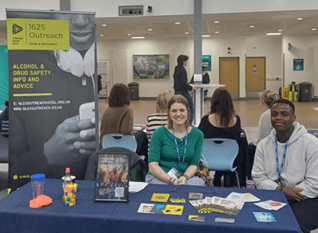
My placement work with Change, Grow, Live specifically with the team at 1625 Outreach, deepened that understanding. They shared invaluable insights about harm reduction, not encouraging substance use, but recognising that if people do try things, there are safer ways to navigate those decisions. Learning about how to minimise risk, spot early signs of harm, and support people without stigma has genuinely shaped how I interact with nightlife culture today. It made me realise how crucial it is to talk openly about these topics without fear.
I share all of this because conversations around drugs and alcohol don’t have to be heavy or shaming. They can be honest, supportive, and empowering. If you’re curious about drugs, need more information, struggling, or if you’re watching someone you love slip into something worrying, reaching out doesn’t make you dramatic; it makes you human. Speak to your GP, university wellbeing services, local mental health teams, or trusted substance-use support organisations. Even checking in with a friend can be the first step towards something better. What I’ve learned from my personal experiences, my studies, DJing, and my placement is simple: the more compassion we bring into these conversations, the safer and stronger our communities become. And that’s something worth talking about every time.
Have your say on the Student, Alcohol and Drugs survey. Your feedback will help important developments around harm reduction at NTU plus you could be in the running to win cash prizes by participating. You access the survey via: Students alcohol and drugs survey 25-26
Support and advice is never far away:
For help, advice and resources whilst studying at NTU, take a look at the following for sources of support.
Support from NTU
Silvercloud: SilverCloud is our online system designed to help with a range of mental health issues.
HealthyNTU: Advice, tools and activities for your wellbeing
NTSU Information and Advice service
Nottinghamshire Talking Therapies: Support for your Mental Health in Nottingham
Student Minds 10 Keys to happiness
Mind
Papyrus
 healthyntu.blog