Written by Cara Glynn, BSc (Hons) Zoo Biology NTU Student
Starting university is often described as a whirlwind of new people, new routines, and endless deadlines. For me, it was all that and more. Navigating higher education with a physical disability, mental health challenges, and (as I would later learn) neurodivergence, brought unique difficulties, but also some surprising insights. This is a bit of my story, and what I’ve learned along the way.
Finding My Pace
I arrived at university with the quiet assumption that I would have to work twice as hard as everyone else just to keep up. I often pushed myself to the point of exhaustion by trying to hide my struggles and stay caught up. It wasn’t sustainable… but it didn’t have to be.
One of the turning points for me came through support from the university, particularly from my student support mentor. He listened, helped me make sense of things, and encouraged me to slow down. At first, I resisted, because slowing down felt like falling behind. But over time, I realized that pacing myself wasn’t being lazy or underperforming, it was a strategy for survival, and eventually, for growth.
The Power of Being Understood
Through those conversations, I began to understand more about my mental health, and eventually, I was gently encouraged to explore the possibility that I might be neurodivergent, which I was ironically completely unaware of. It was like turning on a light in a room I didn’t even realize had been dark. So much of what I had struggled with, e.g. overstimulation, executive dysfunction and social exhaustion, started to make sense.
That process of self-discovery wasn’t always easy, but it was deeply validating, and having someone alongside me, reminding me that my worth wasn’t tied to how productive I appeared or how closely I matched the expectations of a typical student, made all the difference.
Support that Matters
University support can look different for everyone. For me, it meant working with disability services to get academic adjustments, learning to communicate with lecturers when things weren’t going well, and recognizing that asking for help wasn’t a weakness, but a strength. Above all, it meant accepting that I didn’t have to mask my difficulties to belong at NTU.
Mentoring has been one of the most impactful forms of support I’ve received. Sometimes, just having a space to talk things through, with someone who understands the pressures and can reflect things back to you without judgment, is invaluable.
Top Tips from Someone Still Figuring It Out
If you’re navigating university with a disability, mental health condition, or neurodivergence (or even just feeling like you’re struggling more than your peers), here are a few things that have helped me:
- Pace Yourself. This isn’t a race. Taking breaks, setting boundaries, and working at your pace are not just okay, they are essential.
- Redefine Success. Success doesn’t have to mean top grades or being constantly busy. Sometimes success is attending one lecture during a hard week or sending that email you’ve been dreading.
- Ask For Help. Whether it’s a mentor, counselling, disability services, or just a kind lecturer (who are abundant at NTU), please don’t be afraid to ask for help. You are not alone, and you are not weak for needing support. However scary, it is one of the best decisions you can make when you are struggling.
- Give Yourself Permission. To rest, to feel, to ask questions, to change your mind, to try again.
You Can Still Shine
As I was learning all of this, I continuously struggled and fought against much of the advice I was given, because I thought that pacing myself and excelling were mutually exclusive. I know now, that is far from the truth.
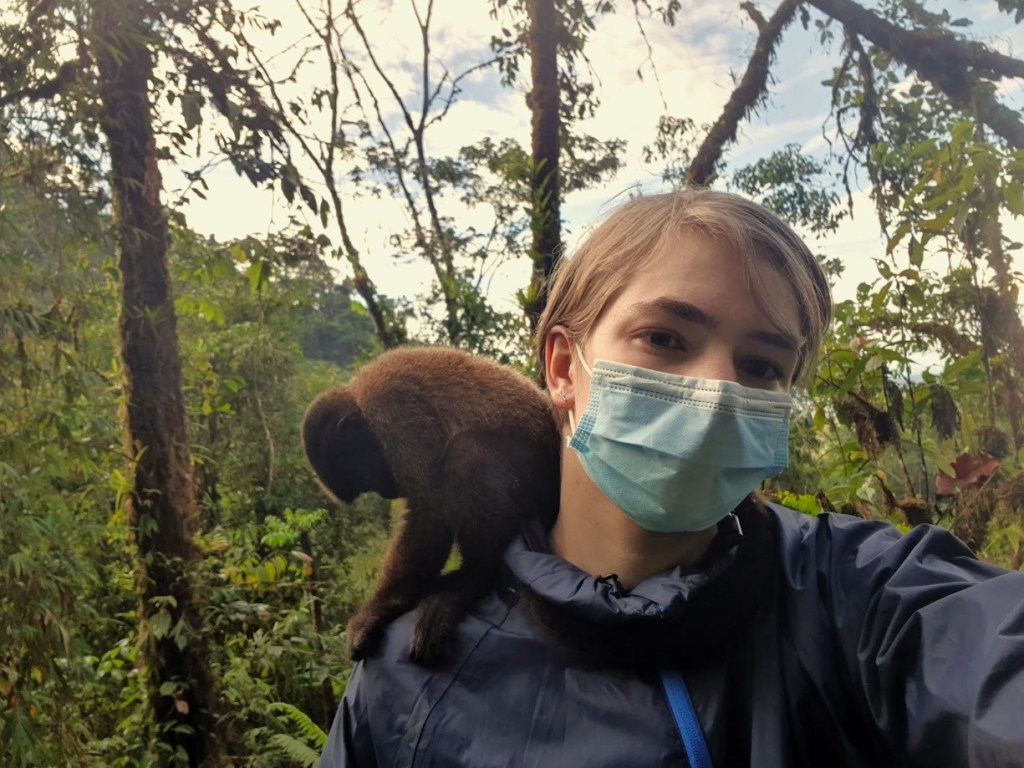
Not only did I survive my course, but I also managed to do a placement year, which took me to the beautiful jungle of Ecuador and the historical city of Vienna, where I gained experience, confidence and friendship. If nothing else, my years at university proved to me that I can do whatever I set my mind to, no matter what I’m up against.
Despite my struggles, my chronic pain and exhaustion, my social and sensory difficulties, and the intense (ongoing) internal battle against perfectionism, I emerged at the end of my course with a first-class honours degree, three ARES awards, and some of the best friends anyone could ask for.
Looking Ahead
I won’t pretend it’s all easy now. I still have bad days, flare-ups, sensory overloads, and deadlines that feel like mountains. But I’m learning to be kinder to myself, that there’s no right way to do university, and that my journey is valid, even if it doesn’t look like everyone else’s.
If you’re reading this and feeling like you’re falling behind or you can’t do it, I want you to know: you’re not broken. You’re human, and you deserve to be here just as much as anyone else.
If you choose NTU, you will be surrounded by some of the kindest people you will ever meet, who truly want to see you succeed, and will go out of their way to help you get there.
For help, advice and resources whilst studying at NTU, take a look at the following for sources of support.
Support from NTU
Silvercloud: SilverCloud is our online system designed to help with a range of mental health issues.
HealthyNTU: Advice, tools and activities for your wellbeing
NTSU Information and Advice service
Nottinghamshire Talking Therapies: Support for your Mental Health in Nottingham
Student Minds 10 Keys to happiness
Mind
Papyrus
 healthyntu.blog